Single AI vs Multi-Agent Systems
10x
Workflow Speed
Auto
Execution
24/7
Orchestration
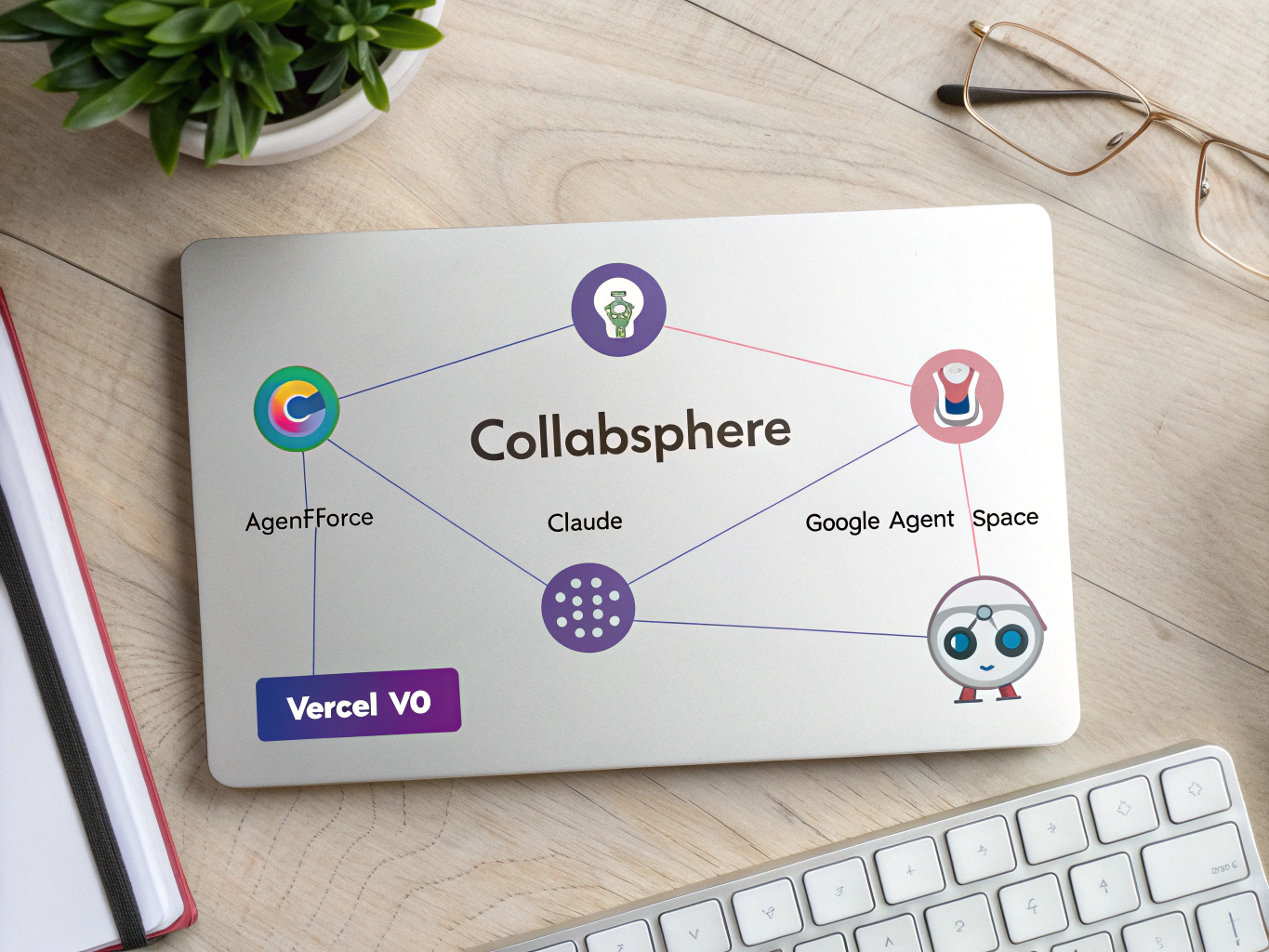
Autonomous Teams
Winning through collaborative intelligence
Tasks vs. Systems
Moving beyond simple chatbots. Understand the architectural shift from isolated AI tools to autonomous multi-agent orchestration for business operations.
Traditional AI operates in a vacuum, requiring constant human intervention to move data between tools. It solves for individual prompts but fails to manage the complexity of cross-departmental business processes.
| Dimension | Single | Multi |
|---|---|---|
| Scope | Isolated Tasks | End-to-End Workflows |
| Control | Manual Prompting | Autonomous Execution |
| Integration | Single Tool | Multi-Tool Orchestration |
| Governance | Bolt-On Security | Built-In Compliance |
*Multi-agent systems utilize a central orchestrator to manage state and logic across disparate business software environments.
Percentage of workflow handled without human intervention.
Requires manual data entry and prompt engineering per step.
Single AI vs. Multi-Agent Systems
Moving beyond simple automation. Discover why multi-agent orchestration is the standard for operational excellence.
| Criteria | Single AI | RecommendedMulti-Agent |
|---|---|---|
| Scope | Simple, isolated tasks | End-to-end business workflows |
| Autonomy | Constant manual intervention | Autonomous execution & logic |
| Complexity | Linear, single-step actions | Complex, multi-layered workflows |
| Cost | High per-task operational cost | System-level efficiency & ROI |
| Time to Value | Weeks of custom development | Days to full orchestration |